Sports & regenerative medicine
Understanding Sports Injuries
Clear, clinically focused guides to complex sports injuries — from the mechanism of injury and diagnostic imaging to tissue healing, treatment and return to sport.
Explore injury guidesAccurate diagnosis. Individual treatment.
An injury is more than a diagnostic label
The same diagnosis may represent very different degrees of tissue damage. The exact structure involved, the location and extent of the lesion, the stage of healing and the athlete’s functional demands all influence treatment decisions.
These guides explain injuries in understandable language while retaining the anatomical, biomechanical and biological detail needed to understand why a particular treatment and rehabilitation strategy may be selected.
- Clinical examination and injury mechanism
- Ultrasound and MRI correlation
- Tissue-specific regenerative strategy
- Progressive, controlled rehabilitation
Injury library
Injury guides
Explore the mechanism, anatomy, treatment options and biological principles of recovery.

Osteitis Pubis
A detailed explanation of pubic bone inflammation, the interaction between bone, tendons, muscles and connective tissue, common diagnostic errors, multimodal regenerative treatment and structured return to full sporting activity.
Read the complete guide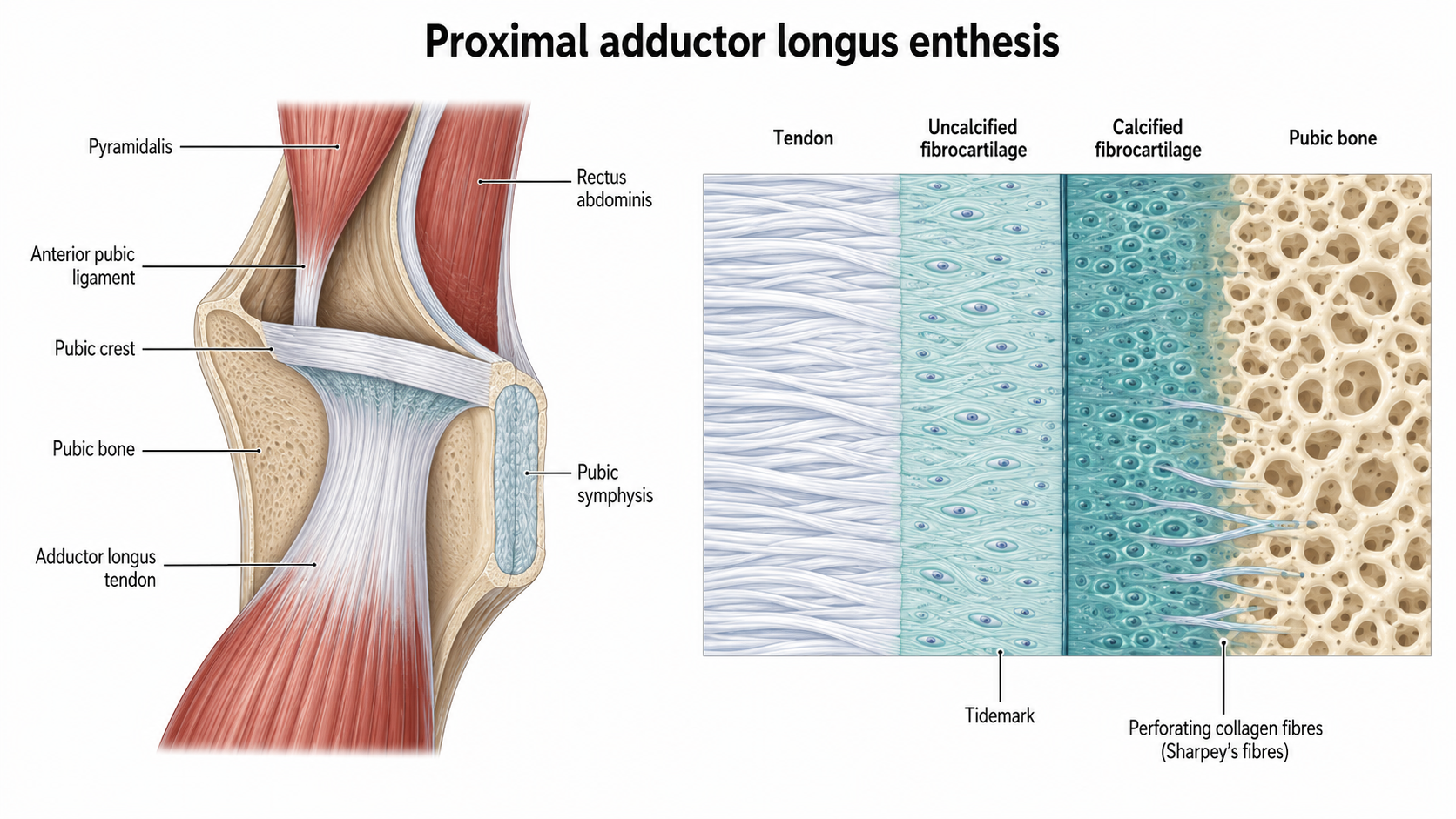
Rupture and Avulsion Tears of the Adductor Longus
A detailed guide to the biomechanics of proximal adductor injury, anatomy of the tendon–bone attachment, operative versus conservative management, regenerative treatment and progressive collagen remodelling.
Read the complete guide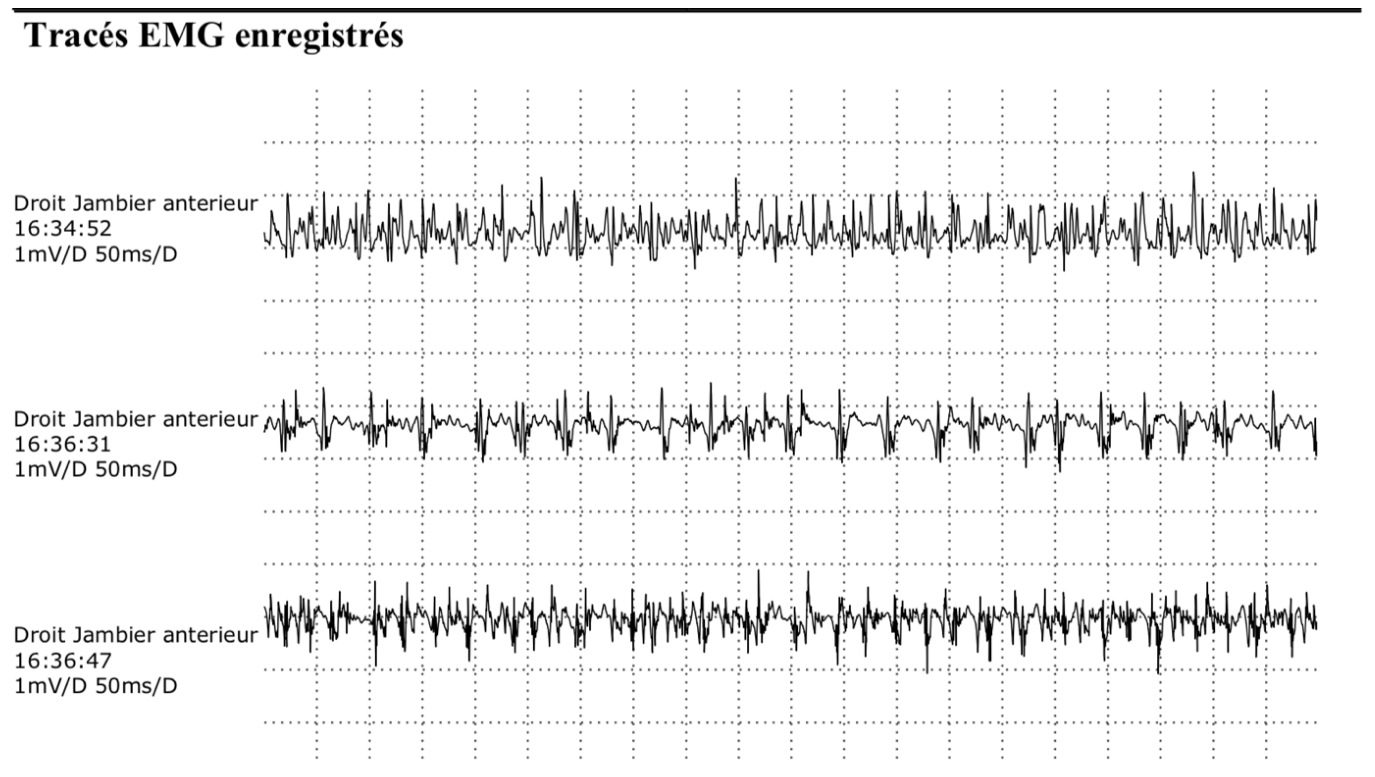
Common Peroneal Nerve Injury
A documented clinical course following a severe common peroneal nerve injury with preserved anatomical continuity, from complete motor palsy through targeted treatment, ENMG signs of reinnervation and progressive functional rehabilitation.
View the clinical caseClinical pathway
From diagnosis to safe return to sport
Successful recovery depends on coordinating biological healing with the mechanical demands placed on the recovering tissue.
Identify the injured structure
Determine which tissue is damaged and distinguish the primary lesion from associated findings.
Define the stage of healing
Interpret clinical findings and imaging in the context of the time elapsed since injury.
Support tissue regeneration
Select and coordinate treatments according to the biology and mechanical role of the injured tissue.
Restore functional capacity
Progressively rebuild strength, load tolerance and sport-specific function without disrupting repair.
The information on this page is educational and does not replace an individual medical examination. Treatment and rehabilitation must be adapted to the patient, imaging findings and functional requirements.
Individual case assessment
Do you have a complex or persistent sports injury?
Send a short description of the injury together with the available medical documentation and imaging.