Regenerative & Sports Medicine · Belgrade & Split
Regenerative sports medicine for complex injuries and chronic pain.
Personalised, mechanism-based non-surgical treatment designed around the athlete, the injured tissue and the current stage of healing.
Our mission is to help you even when no one can...
Complex injuries require precise thinking
Look beyond the diagnosis.
A diagnosis names the injury. Effective treatment must also identify why the tissue is not healing, which biological and biomechanical mechanisms are limiting recovery, and how loading should be reintroduced.
Groin & pelvis
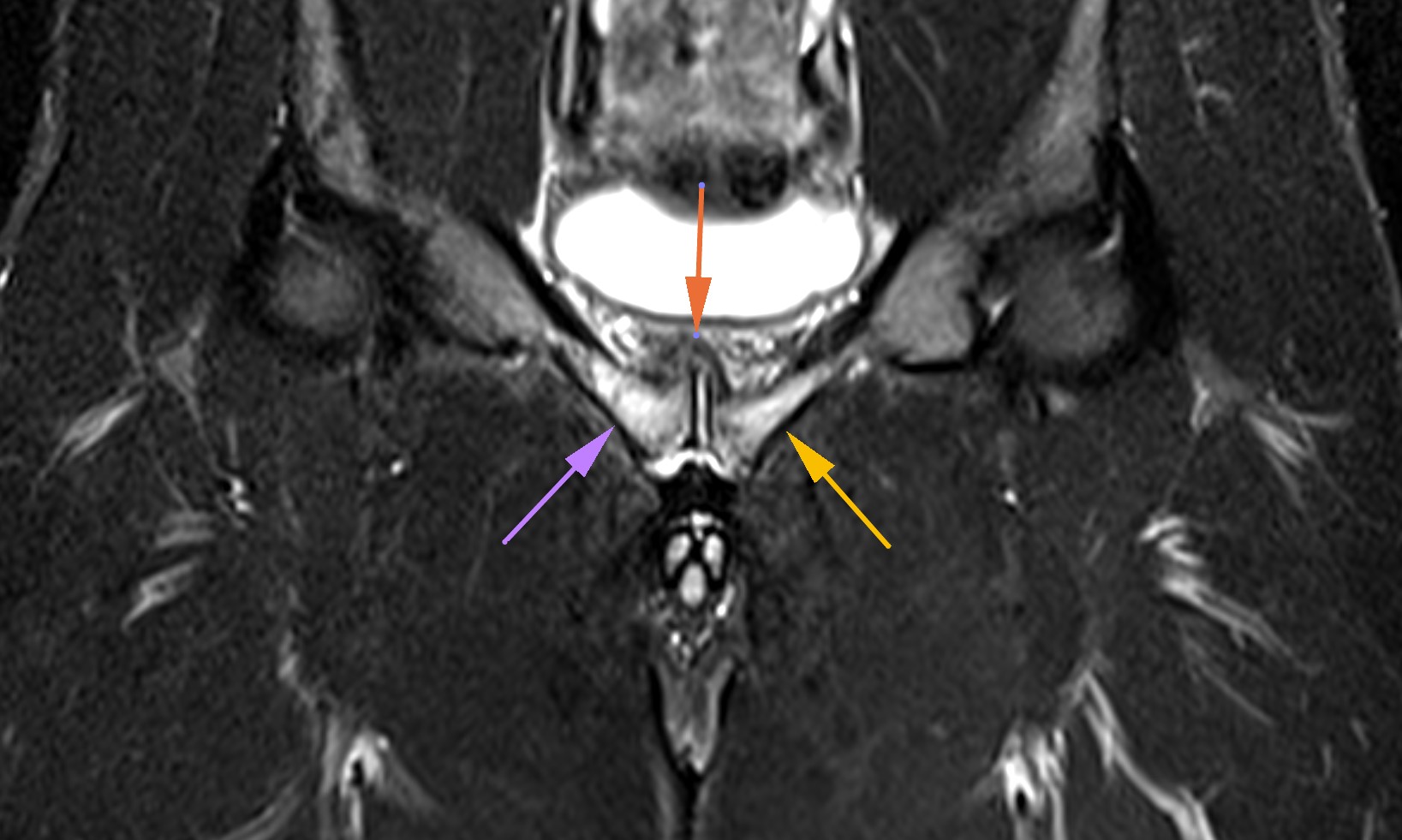
Osteitis pubis
Pubic bone, symphysis, adductor and abdominal wall pain assessed as one interconnected biological and biomechanical problem.
Explore treatment →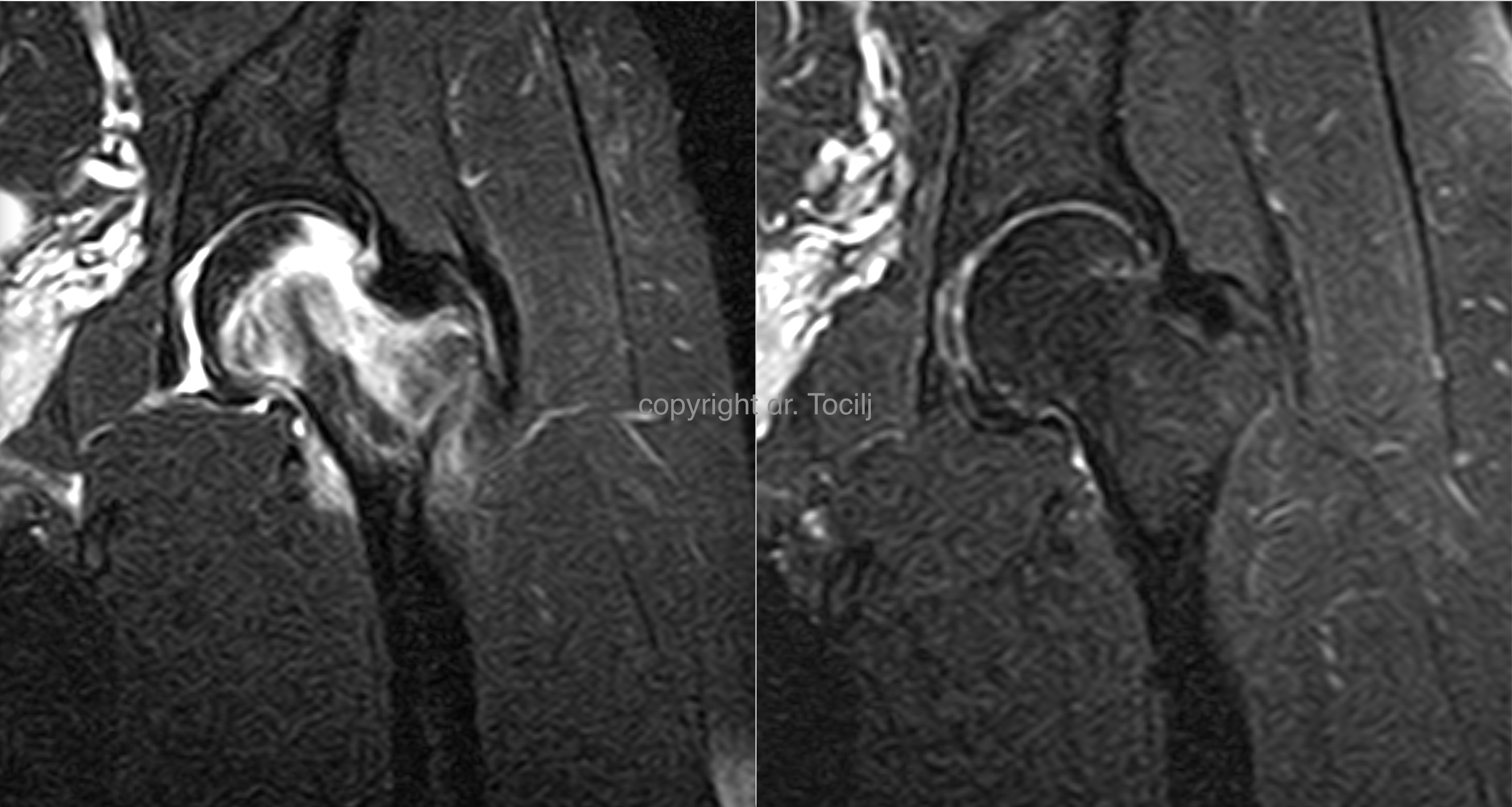
Bone recovery
Bone oedema
Integrated treatment for bone contusions, stress injuries, postoperative oedema and selected osteoarthritis-related bone changes.
Explore treatment →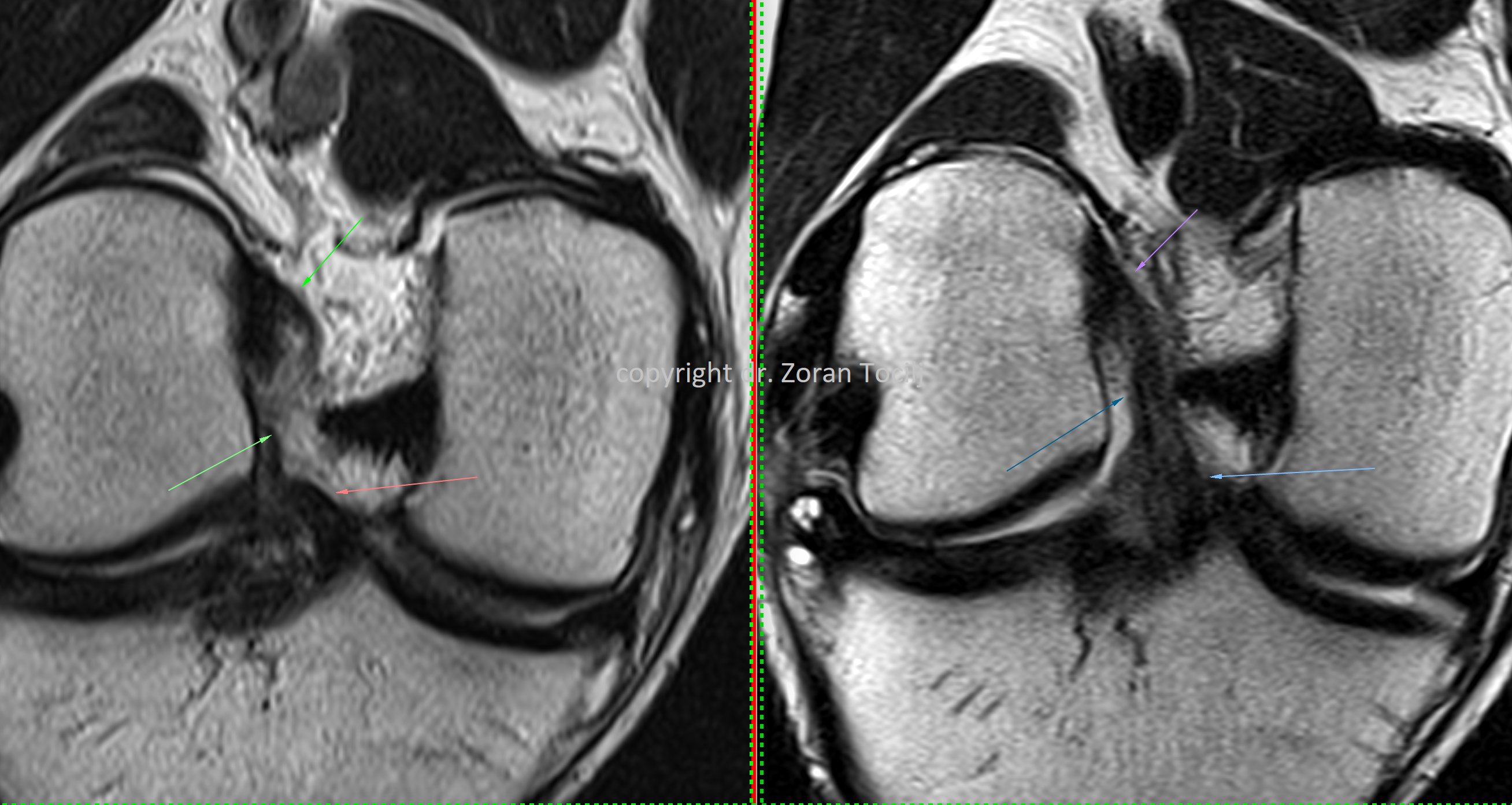
Ligament healing
Ligament injuries
Assessment of ligament continuity, tissue quality and healing potential, followed by an individually staged recovery plan.
Explore treatment →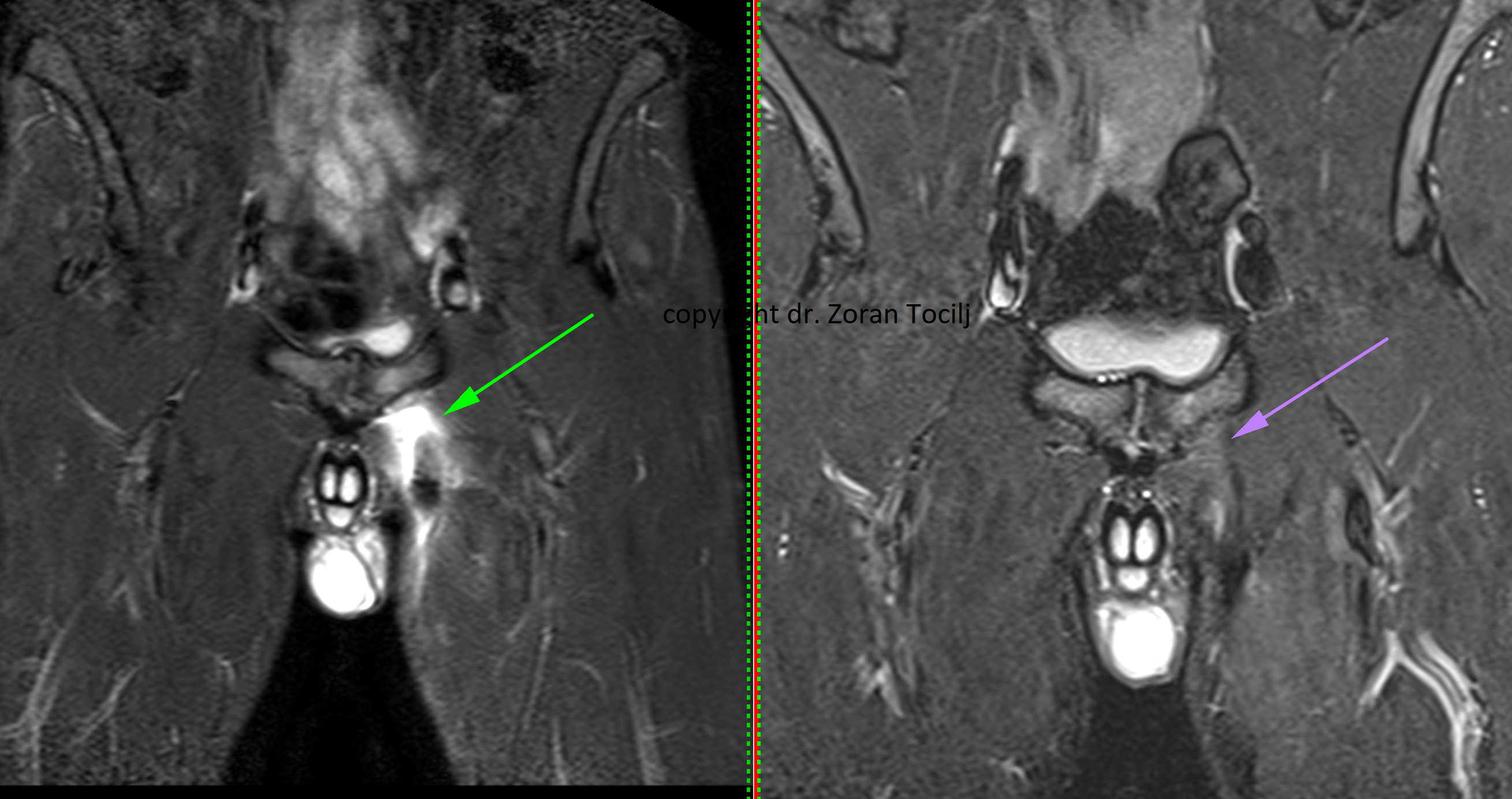
Muscle & tendon
Rupture and avulsion injuries
Mechanism-based treatment of complex muscle, myotendinous, intramuscular tendon and tendon-to-bone injuries.
Explore treatment →One injury · multiple mechanisms · one plan
Designed to work in synergy.
Each treatment plan connects diagnostics, biological support and progressive rehabilitation instead of treating them as isolated services.
Diagnosis
Understand
Choose between a new diagnostic assessment or a detailed analysis of existing MRI scans, previous findings and medical documentation.
Integrated treatment
Integrate
Build an individual treatment plan around the injured tissue, its biological limitations and the current stage of healing.
Return to sport
Rebuild
Progressively restore strength, tissue capacity and sport-specific movement without unnecessary risk.
Follow-up
Reassess
Review control MRI scans, compare them with previous imaging and provide an updated medical opinion with recommendations for the next treatment or rehabilitation stage.
How it all started
How can patients recover more quickly and effectively?
It all began nearly 20 years ago with a simple yet profound question: how can patients recover more quickly and effectively? This question sparked a journey that would span decades, marked by relentless exploration and innovation. From the very beginning, the core idea was to create a personalised approach tailored to each patient’s unique physiology and medical history. It became clear early on that no two individuals are the same, and a one-size-fits-all treatment model would never suffice.
This realisation set the foundation for a new direction in patient care, where every decision is guided by a deep understanding of the underlying biological mechanisms at play.
The integration of physiology, pathophysiology, anatomy, and biochemistry became a cornerstone of my approach. These disciplines, working in synergy, have been instrumental in uncovering ways to modify human metabolism and enhance the body’s innate ability to heal—all without causing harm. It is a delicate balance: influencing complex biological systems while ensuring patient safety and wellbeing. But it was precisely this complexity that served as both a challenge and a source of inspiration.
Each chronic or complicated case pushed me further, urging me to explore new avenues and redefine what’s possible.
Without realising it at first, I found myself venturing into uncharted territory—developing my own form of regenerative medicine. This wasn’t a conscious decision at first; it evolved naturally out of the desire to help patients heal faster and more completely. As my research progressed, patterns and connections began to emerge that had previously eluded conventional methods. I realised that the body has remarkable regenerative potential, and the key was to find ways to unlock and amplify it.
This approach went beyond conventional medicine, focusing not just on alleviating symptoms but on enhancing the body’s natural capacity for renewal and repair.
Looking back now, I can see how much I’ve grown and how far the research has come. What started as a quest to find better treatment options has transformed into a lifelong dedication to pushing the boundaries of medicine. I am constantly reminded of how little I knew when I began, and how much more there is still to discover. But with every successful outcome, every patient who regained their health and vitality, I am fuelled by a sense of purpose and a desire to keep striving for excellence.
The countless lives touched and the breakthroughs achieved along the way serve as a testament to the power of perseverance and innovation in medicine.
Sports medicine shaped by science and elite sport
Clinical medicine, physics and high-performance sport.
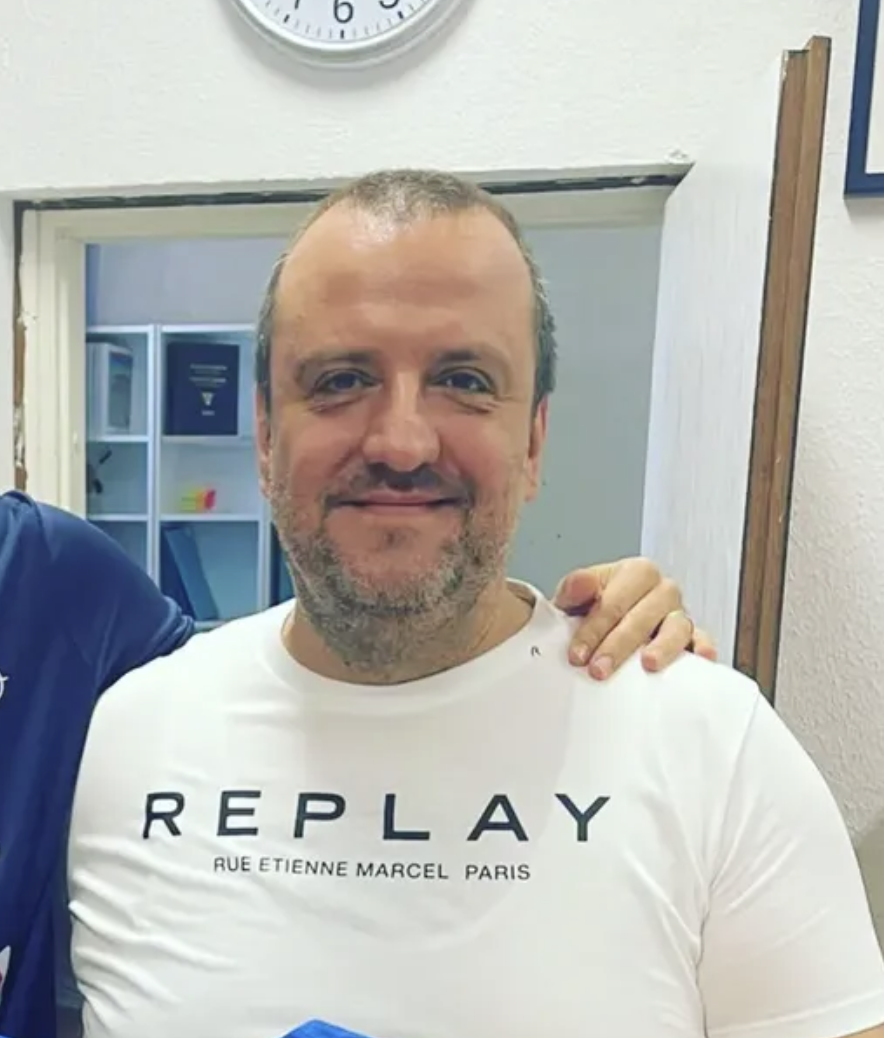
Dr Zoran Tocilj is a physician and physicist with extensive experience in the diagnosis, treatment and rehabilitation of complex musculoskeletal injuries. His work combines clinical medicine, applied physiology and a mechanism-based approach to tissue healing across football, athletics, basketball, combat sports, tennis, handball, judo and weightlifting.
His clinical approach is based on precise diagnostics, individually adapted treatment and progressive rehabilitation structured according to the injured tissue, the stage of healing and the athlete’s competitive requirements.
WADA compliance & treatment transparency
Competitive sport requires complete clarity.
All therapies are conducted in strict compliance with WADA’s anti-doping regulations. Only medications sourced from reputable pharmaceutical companies are used, ensuring the highest standards of quality and safety. The supplements provided during therapy undergo rigorous evaluation to prevent any risk of unintended contamination or adverse outcomes. Upon completion of the treatment, a comprehensive report is provided, detailing all medications and supplements used throughout the therapy.
If required, this list can be shared in advance upon request. Additionally, athletes receive guidance on supplements that have been scientifically validated and shown to be safe for use in competitive sports, supporting both their performance and compliance with anti-doping standards.
Read WADA compliance protocol →Healing made visible
Follow tissue change, not only symptoms.
Where appropriate, follow-up imaging is used alongside clinical function to assess healing and guide the next stage of rehabilitation.
View patient stories →Clinical example
Avulsion tendon injuryStart with your medical documentation